Community
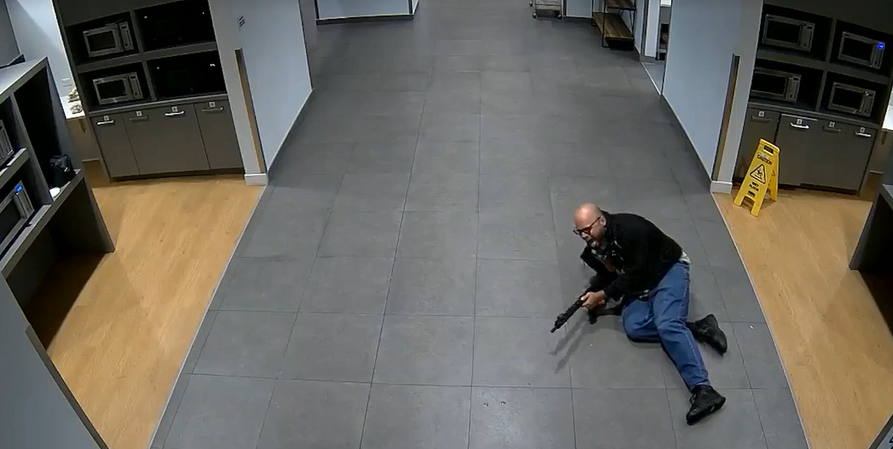
Gunman in Citibank shooting was angry over court case, drove to Tampa from Orlando
By Julia Thompson
Advertisement · Why this ad?
Evan is a graduate of Northern Kentucky University, where he studied Journalism and Community Engagement. He has reported on local events and issues for the past three years through various platforms, focusing on grassroots initiatives that uplift the community.
More from Evan →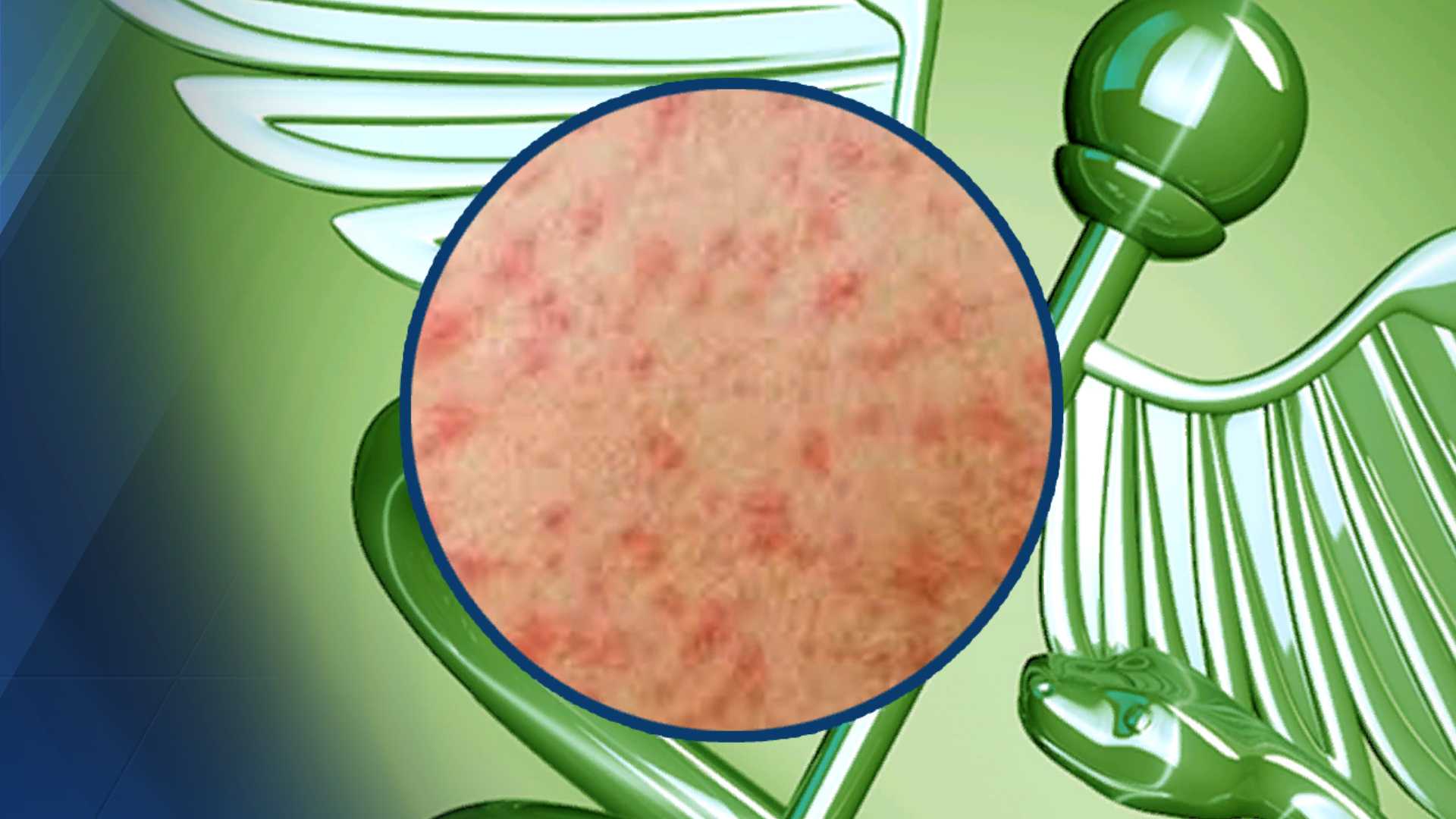
On a quiet Cincinnati evening, families gather around dinner tables, unaware that across the nation, a silent threat is resurging with alarming ferocity. The recent tragic death of a Wisconsin infant from measles has sent shockwaves through public health communities and parents alike, reminding us that the battle against vaccine-preventable diseases remains urgent and real. As we celebrate the strength of Cincinnati’s close-knit families and faith-driven communities, this heartbreaking news underscores the importance of vigilance, education, and unwavering commitment to protecting our loved ones from preventable tragedies.
In a devastating development, Wisconsin reported its first infant death from measles since 1990, marking a somber milestone in the ongoing outbreak that has gripped the state’s southwest region. According to the Wisconsin Department of Health Services, the child’s death is linked to the current surge, which has seen 431 reported cases across 13 counties this year—numbers that haven’t been seen in over three decades. Officials have not disclosed specific details about the child’s age, gender, or exact location, respecting the family’s privacy during this painful time.
This tragic event is part of a disturbing national trend. Over 4,800 measles cases have been reported across the United States in 2026, the highest since 1991, when the disease was declared eliminated in the country. The outbreak has claimed three lives this week alone—two children in New York and Pennsylvania, and now, an infant in Wisconsin—highlighting the persistent threat that complacency and vaccine hesitancy pose to our communities.
The Wisconsin Department of Health Services reports that nearly all of the 431 cases involve unvaccinated individuals. Specifically, 428 cases are among those who did not receive the MMR vaccine, which is approximately 97% effective when two doses are administered. The state’s vaccination rate among kindergarteners stands at about 85%, falling short of the 95% coverage needed to establish herd immunity and prevent outbreaks. This gap in immunization leaves vulnerable populations exposed, especially infants and young children who cannot yet receive the vaccine safely.
In response, Wisconsin health officials have revised their guidance, recommending an early dose of the MMR vaccine for infants aged 6 to 11 months who may be at increased risk of exposure. Traditionally, vaccination begins at age one, but in outbreak scenarios, health authorities prioritize early protection to curb the spread. This measure aims to shield those most vulnerable while emphasizing the importance of timely immunization for all eligible children.
While Wisconsin grapples with this tragic loss, Cincinnati’s health community remains vigilant. The city has historically maintained relatively high vaccination rates, but recent surveys indicate that some neighborhoods, particularly in lower-income and underserved areas, have vaccination coverage below the national average. Factors such as access to healthcare, misinformation, and vaccine hesitancy contribute to these gaps.
The Cincinnati Health Department has been actively working to boost immunization rates through community outreach programs, school-based clinics, and partnerships with local faith organizations. These efforts are crucial because measles is highly contagious, and even small pockets of unvaccinated individuals can spark outbreaks. Local health officials emphasize that protecting our children requires collective effort, especially in diverse communities where cultural beliefs and misinformation can influence vaccination decisions.
The news of this infant’s death has sparked a wave of concern among Cincinnati families and health advocates. Dr. Kirsten Johnson, Wisconsin DHS Secretary, expressed her sorrow, stating, “Any death of a child is a tragedy, and even more so when it is related to a vaccine-preventable disease.” Her words resonate deeply, reminding us that behind every statistic is a human life and a family devastated by loss. The incident underscores the critical need for increased awareness and vaccination efforts across the nation, including right here in Cincinnati.
Local health officials emphasize that vaccination is our most powerful tool against measles. The CDC reports that two doses of the MMR vaccine are about 97% effective at preventing the disease. Yet, vaccination rates in many communities remain below the threshold needed for herd immunity. As parents and caregivers, it’s vital to evaluate our own risk and ensure our children are protected, reinforcing the societal value of strong, healthy families rooted in faith and responsible care.
Cincinnati’s position as a regional hub for healthcare and community services makes it especially important to address these outbreaks proactively. The city is home to several major hospitals, including Cincinnati Children’s Hospital Medical Center, which plays a vital role in pediatric care and vaccination advocacy. The hospital’s infectious disease specialists have been actively involved in educational campaigns, emphasizing the importance of timely immunizations and dispelling myths that hinder vaccination efforts.
Furthermore, Cincinnati’s diverse communities—ranging from immigrant populations to long-standing faith-based groups—pose unique challenges and opportunities for public health initiatives. Faith leaders and community organizers are increasingly participating in vaccination drives, recognizing that culturally sensitive outreach can significantly improve acceptance and participation. These collaborations are essential for closing immunization gaps and preventing tragedies like the Wisconsin infant’s death from happening here.
Looking ahead, Cincinnati’s health department is ramping up efforts to promote vaccination and educate families about the risks of measles. They are collaborating with local schools, churches, and community organizations to dispel myths and provide accessible immunization clinics. The goal is to reach every family, especially those with infants and young children, to prevent future tragedies and safeguard our community’s health.
Moreover, the upcoming international meeting to assess the status of measles elimination in the U.S. will be a critical step. Experts will review current outbreaks, vaccination coverage, and strategies to close immunity gaps. Cincinnati residents can play a role by staying informed, advocating for vaccination, and supporting efforts that promote community health rooted in faith, family, and shared responsibility. Together, we can turn this tragic chapter into a catalyst for renewed commitment and hope.
In addition, local schools are being urged to review their vaccination policies and ensure compliance with state mandates. Some districts have already increased outreach to hesitant parents, emphasizing that immunizations are not just individual choices but community responsibilities. Cincinnati’s faith communities are also being called upon to lead by example, hosting informational sessions and vaccination drives that respect cultural values while promoting health and safety.
This outbreak and the tragic loss in Wisconsin serve as a stark reminder that measles remains a threat, especially in an era of misinformation and vaccine hesitancy. The United States, once declared free of endemic measles, now faces a resurgence that threatens to undo decades of progress. The CDC’s recent report of over 4,800 cases this year underscores the importance of maintaining high vaccination coverage and addressing disparities that leave some communities vulnerable.
Public health experts warn that complacency can be deadly. The measles outbreaks in New York, Pennsylvania, and Wisconsin highlight that no community is immune to the consequences of declining vaccination rates. They also emphasize the importance of community engagement, transparent communication, and culturally competent outreach to rebuild trust and ensure that vaccination remains a shared societal goal.
As Cincinnati and the nation confront this sobering reality, the path forward involves a renewed commitment to health equity, education, and community solidarity. Local leaders, healthcare providers, and families must work together to ensure that every child is protected against preventable diseases like measles. This includes addressing barriers to access, combating misinformation, and fostering an environment where vaccination is seen as a collective responsibility rooted in love, faith, and community resilience.
The tragic death in Wisconsin is a heartbreaking reminder of what is at stake. But it also offers an opportunity—to galvanize efforts, strengthen partnerships, and reaffirm our shared values of caring for one another. Cincinnati’s community is resilient, and with concerted effort, we can prevent future tragedies and protect generations to come.
By Julia Thompson

By Julia Thompson
By Julia Thompson
By Julia Thompson